


Release time:2026-10-14
Author:
Preview:0
WORKSHOP LEADER
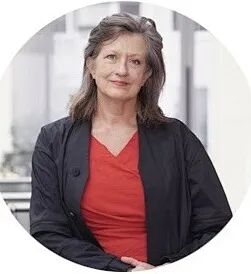
克尔斯汀·斯图特海姆(Kerstin Stutterheim),爱丁堡龙比亚大学(Edinburgh Napier University)艺术与创意产业学院教授,国际知名纪录片导演。研究与创作聚焦于电影叙事学、戏剧学、纪录片美学及艺术研究。出版多部专著,包括《现代电影戏剧学导论》(2019年)、《应用戏剧学手册》(2015年)等,联合主编“媒介戏剧学”系列丛书,担任《媒介生产与媒介美学》系列主编。纪录片代表作包括获奖影片《包豪斯——模型与神话》(2011年蒙特利尔国际艺术电影节设计奖)、《苍蝇与天使》(2010年匈牙利国际艺术电影节纪录片银奖)以及残奥会运动员的纪录长片《平行线》(2019年)。
WORKSHOP DESCRIPTION
Aim of this workshop is to introduce students to dramaturgy for Poetic Documentary and enhance the understanding through hands-on tasks. Students will get introduced to theoretical background, the academic discipline, enabling them to practice and understand professional practice of documentary filmmaking. At the end, they should have an outline for a documentary or/and a short scene or at least get an academic and analytical approach the discuss and reflect on Poetic Documentary filmmaking.
Day 1:
Start off with a short lecture on Dramaturgy and storytelling for poetic documentary, with a special focus on theme, perspective, authorship, story, understanding the open form/ poetic cinema and how can dramaturgical knowledge support from preproduction to release of the project. (1 hour)
Hands-on: we will watch and discuss short documentaries or excerpts to explore key questions: What is the core theme of the film? Why do you need to know this before one starts filming? How does the footage reveal—and conceal—that theme? How can structure and rhythm emphasise meaning and story, for captivating the audience? Should the film be organised around a central figure or an ensemble, a thematic dialogue, or a dialectic form?
Further on, students should explore whether they do have a core reason to make the film, an inner drive. This is a question, some of the students might not have to answer to their teacher/lecturer/professor.They might contemplate on the motivation, their personal incident and driving interest. Although they might not share this to anyone else, they should be aware of it. Regardless of whether this motivation for the project is private, personal, or externally driven, this insight should be translated into a clear formulation of the topic, perspective, and point of view. To clarify, there is a difference between pov and perspective. They can work in small groups or individually.
Students should try finding a short way to express their theme and driving motivation without getting private, they can also create images that represent their theme and perspective or generate such. In case, they do have already material they’d like to discuss, in preparation for the exercise, students select approximately ten to fifteen still images representing the most striking, ambiguous, meaningful, or emotionally charged moments from their material. These can be printed in postcard size (A6, 10 × 15 cm) or viewed digitally on a phone, tablet, or computer. Presentation and discussion at the end of the day.
Day 2:
Lecture introducing Sound and Music Dramaturgy for Documentaries. We will reflect on traditions in music in performative arts as well as the specifics of soundscapes and ambient sound. We will further discuss why this knowledge is relevant as basis to sound dramaturgy in documentary filmmaking. This will lead to the aspect of using spoken language, either by a narrator or through interviews, real people talking.
Hands-on: We begin the hands-on session with a short discussion of relevant examples, before students will either discuss their already existing work / drafts / sequences or go out and record some sounds relevant to their story. HO 2: we will practice interviewing by applying the basic introduction given to interview techniques using smart phones or just as training.
Day 3:
A Lecture on Editing Theory and Editing as practice to gain a deeper understanding of audio-visual storytelling in Poetic Documentary. Focus here is not only of how to start a story best but also of how to relationalise/combine material to achieve good storytelling, immersion and consequently an emotional intelligent response by the audience.
Hands-on: As the days before, we will watch a few selected sequences and discuss their editing principles.
Further on, students could either, if there is equipment available, edit a short sequence themselves, or we try a few sequences together by using my laptop. When arranging the images and sounds, we can experience how much 1 frame or different sounds can make a difference to the whole story, perspective and the impact of the story.

FROM 九乡河黑匣子